10 Sculptural Chairs That Define Design in 2026
From postwar icons to CNC-carved solid wood, explore ten chairs that blur the line between furniture and sculpture.
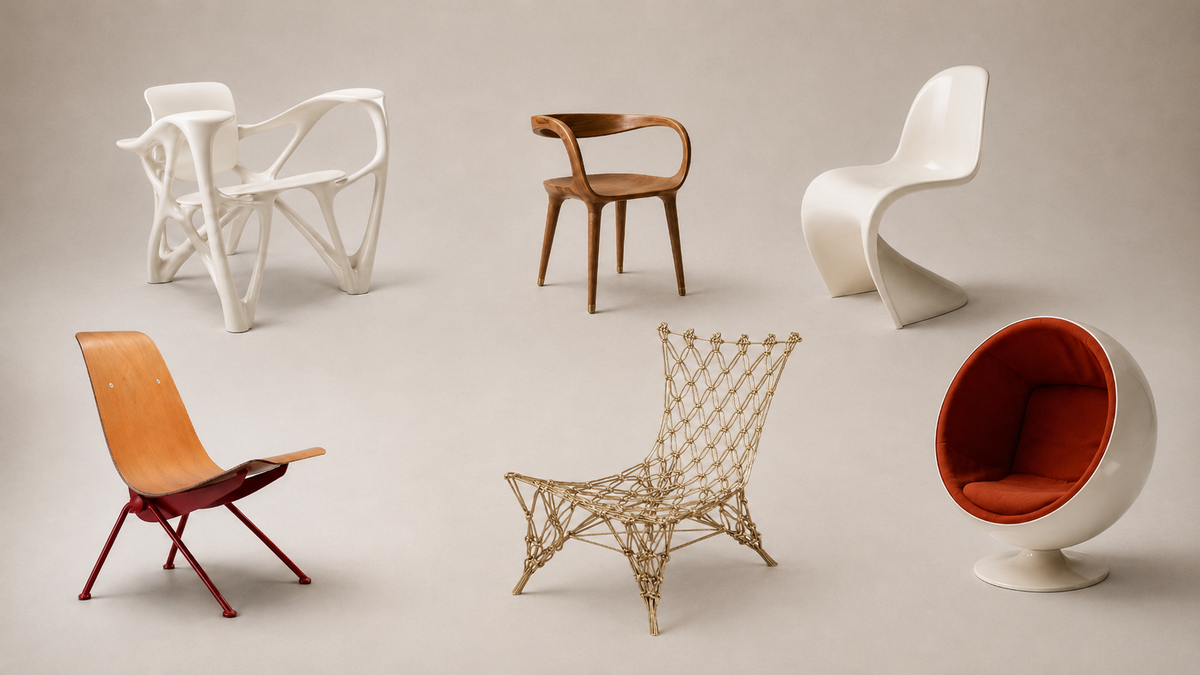
Where furniture becomes art
Some chairs hold you. Others stop you mid-step.
The ten chairs below do both — they function as seating and exist as sculpture. From postwar icons to a Warsaw workshop exploring what CNC carving can make possible, this is our selection for 2026.
No. 10 — Knotted Chair
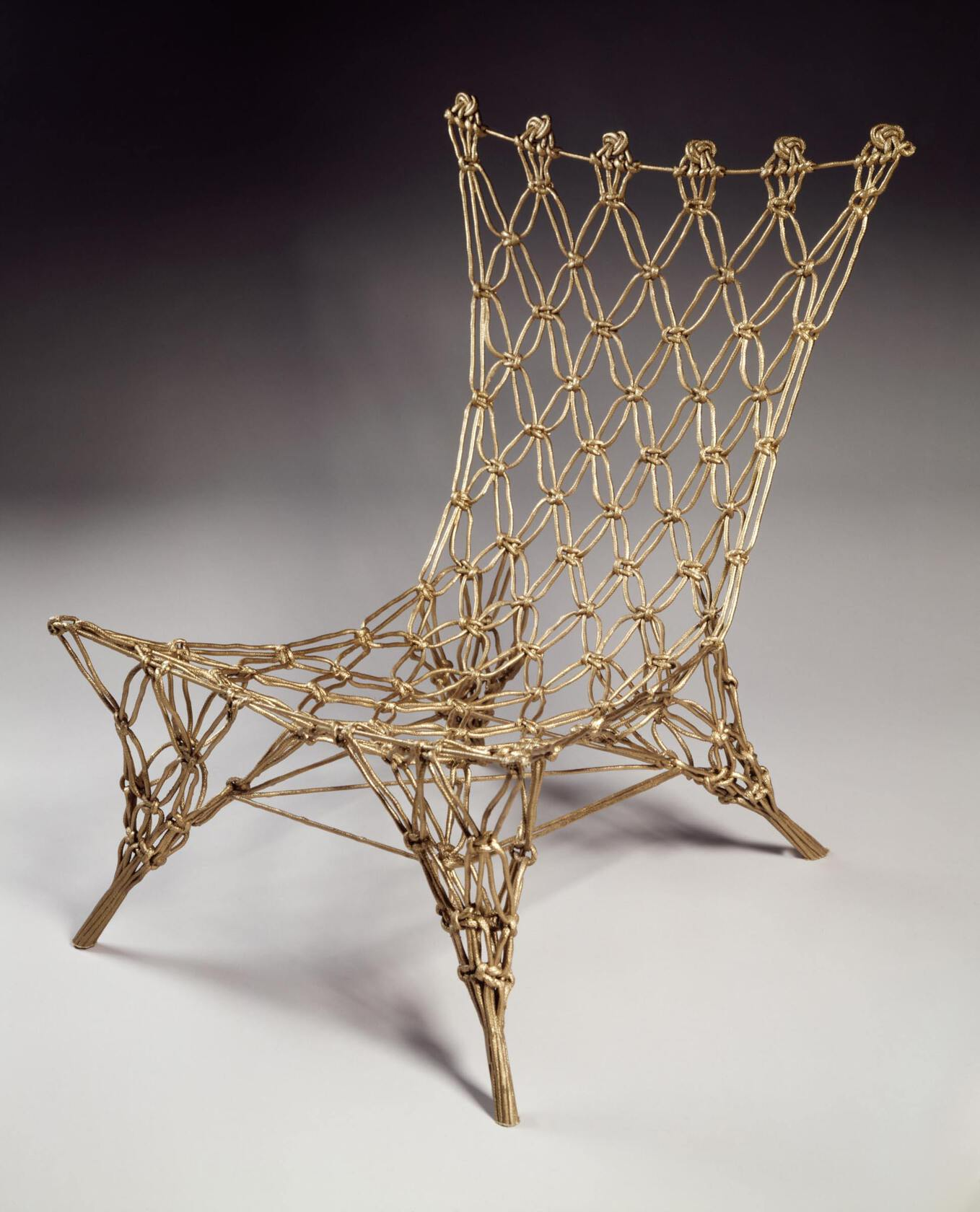
Marcel Wanders for Droog (1995–1996)
Hand-knotted aramid cord wrapped around a carbon-fibre core, soaked in epoxy and suspended in a frame until gravity defined its final form.
Developed as part of Droog’s Dry Tech project, the chair became an instant design landmark and entered the permanent collection of MoMA.
Still one of the most radical ideas on this list — a chair made from rope that became structure.
No. 9 — Bone Chair
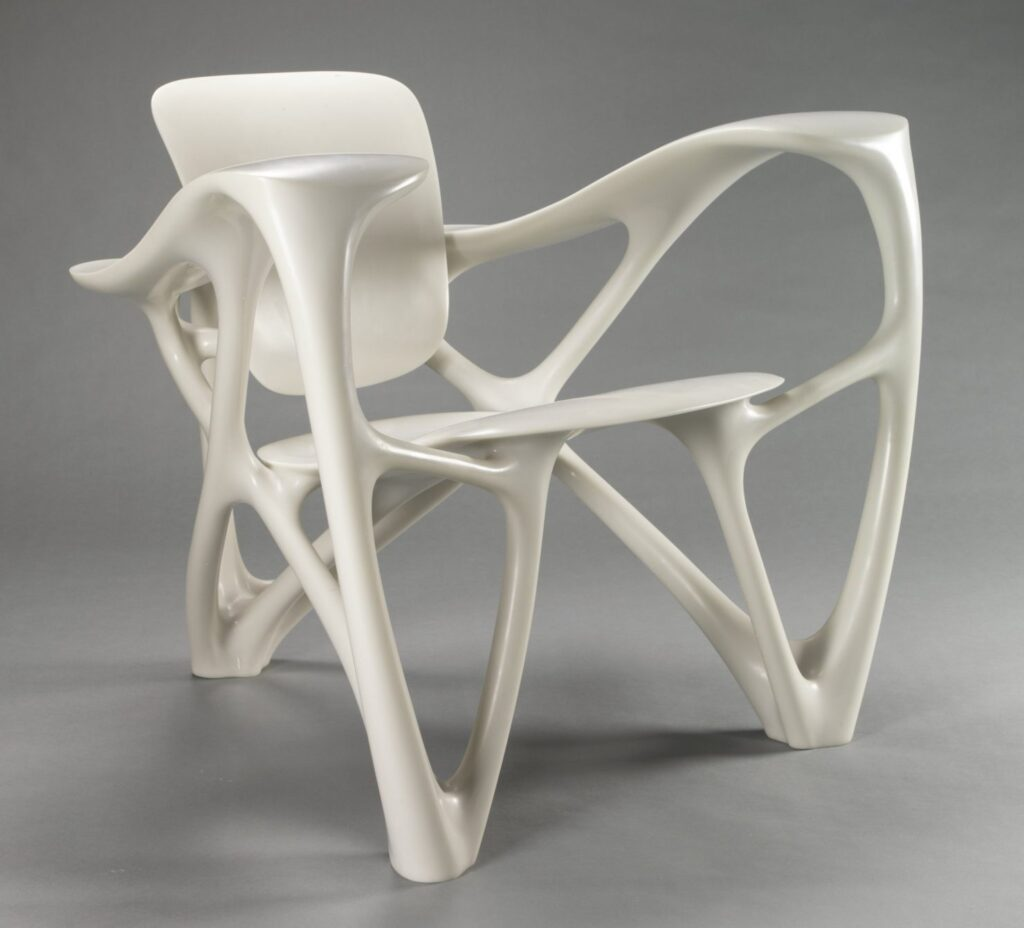
Joris Laarman (2006)
Laarman used an algorithm inspired by the way bones respond to stress — adding material where strength is needed and removing it where it is not.
The result is cast aluminium that looks almost biological.
No human would draw this shape by hand. That is the point.
No. 8 — Embryo Chair
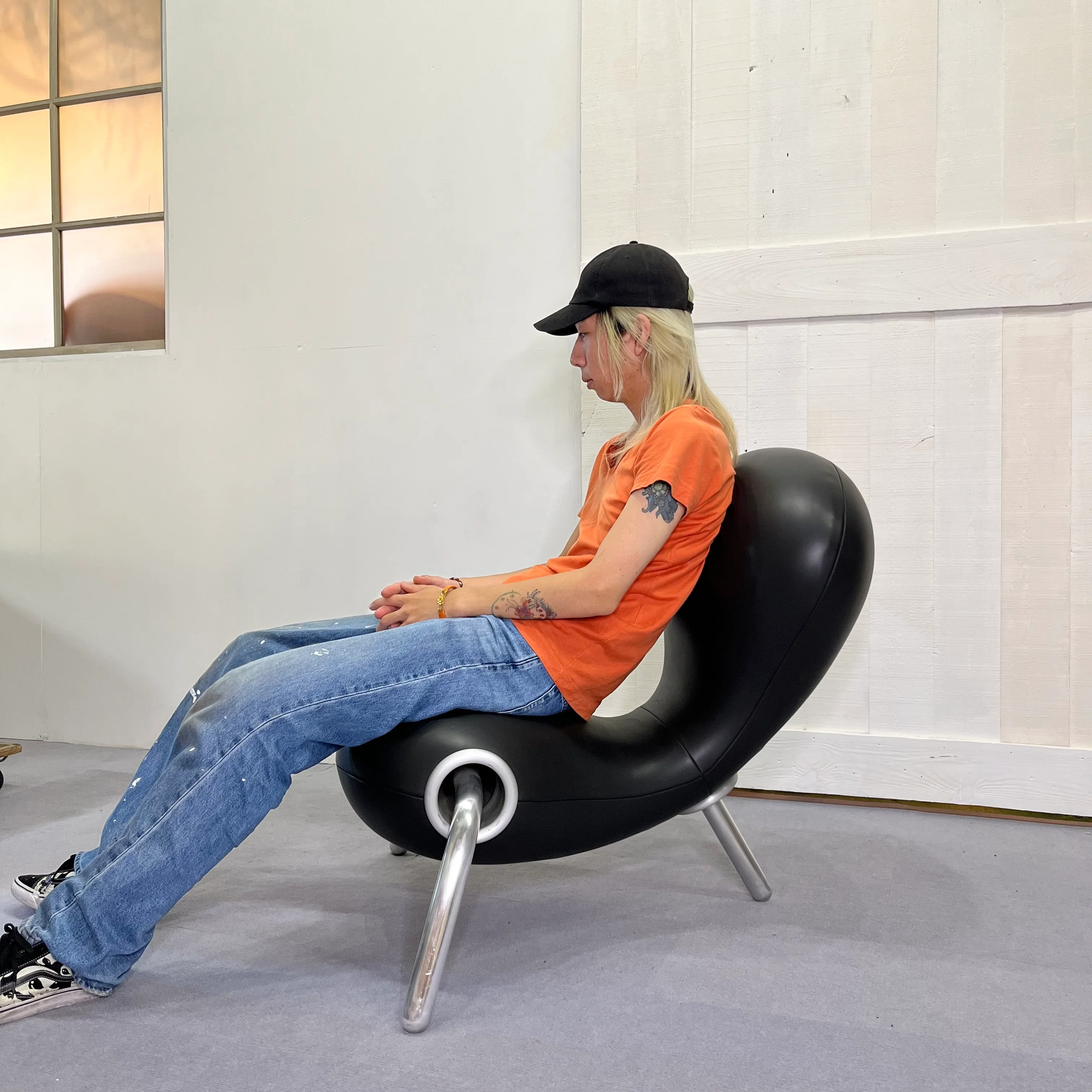
Marc Newson (1988)
A continuous organic silhouette with no visual interruptions.
An internal steel frame is covered with moulded polyurethane foam and wrapped in fabric, creating a form that feels closer to a living organism than a conventional chair.
Newson designed it in his twenties. It still looks like it was designed yesterday.
No. 7 — Lockheed Lounge
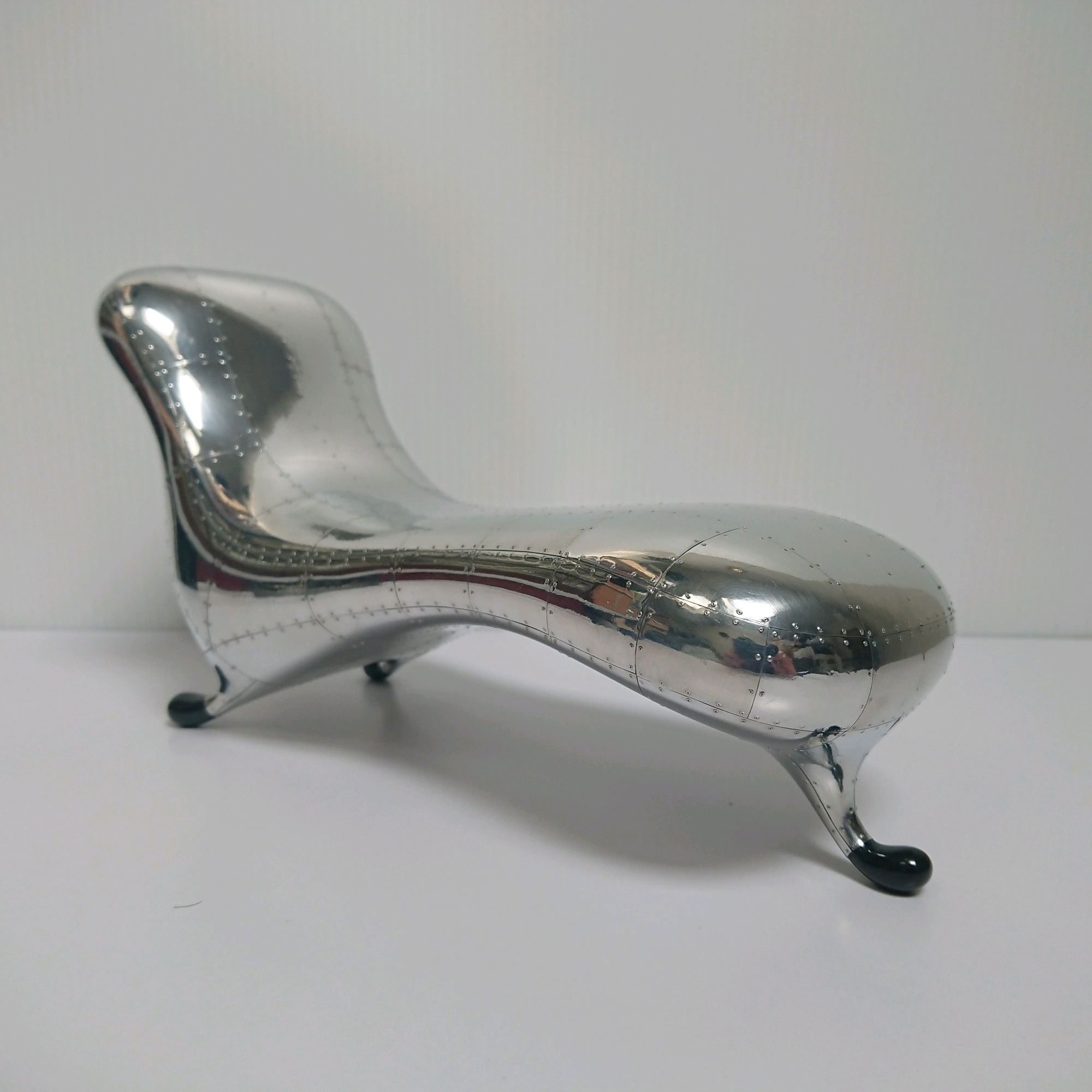
Marc Newson (1988)
One example sold at Phillips in 2015 for £2.43 million — approximately $3.7 million at the time — setting the auction record for a work by a living designer.
Hand-fitted aluminium panels over a fibreglass-reinforced shell. Built like an aircraft. Sits like a cloud.
No. 6 — Antony Chair
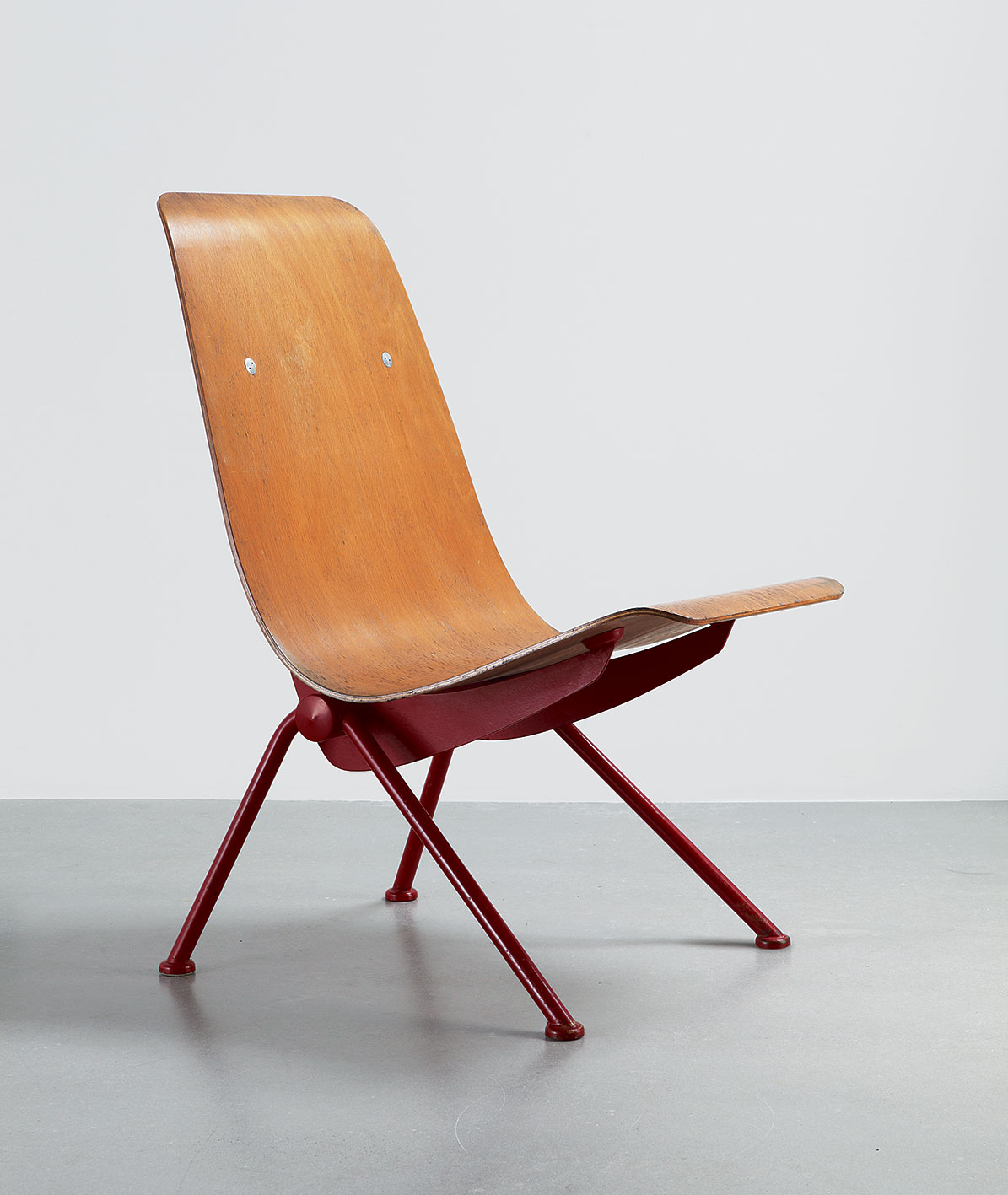
Jean Prouvé (early 1950s)
French modernism at its most honest.
Prouvé approached furniture as a constructor, engineer and metalworker. Every element does exactly what it needs to do: a curved plywood shell, a load-bearing metal structure and no unnecessary decoration.
No. 5 — Tulip Chair
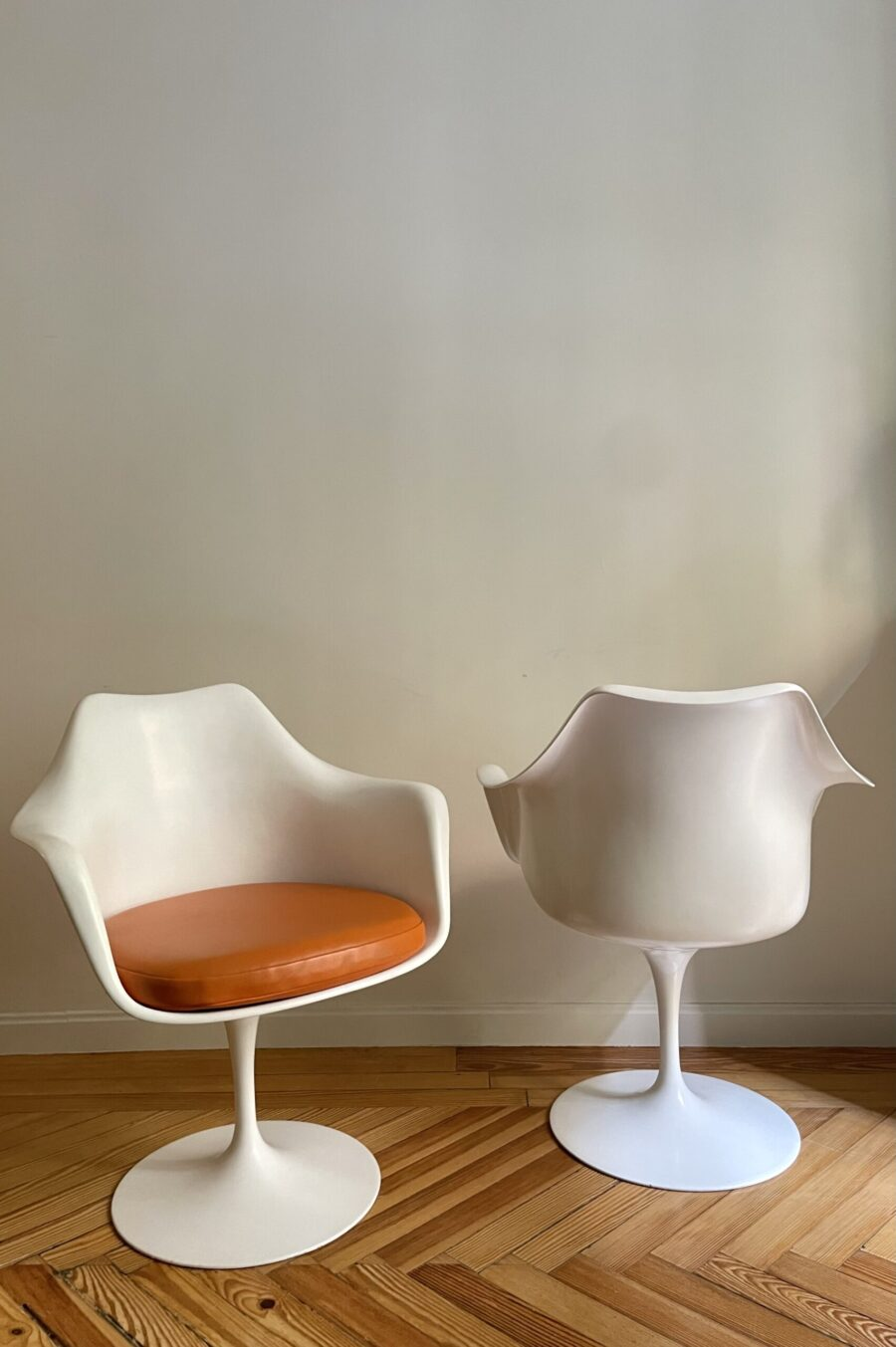
Eero Saarinen (1956)
Saarinen wanted to eliminate the “slum of legs” beneath tables and chairs.
His solution: a single pedestal, one visual gesture and no clutter.
Seventy years later, it still looks like the future.
No. 4 — Ball Chair
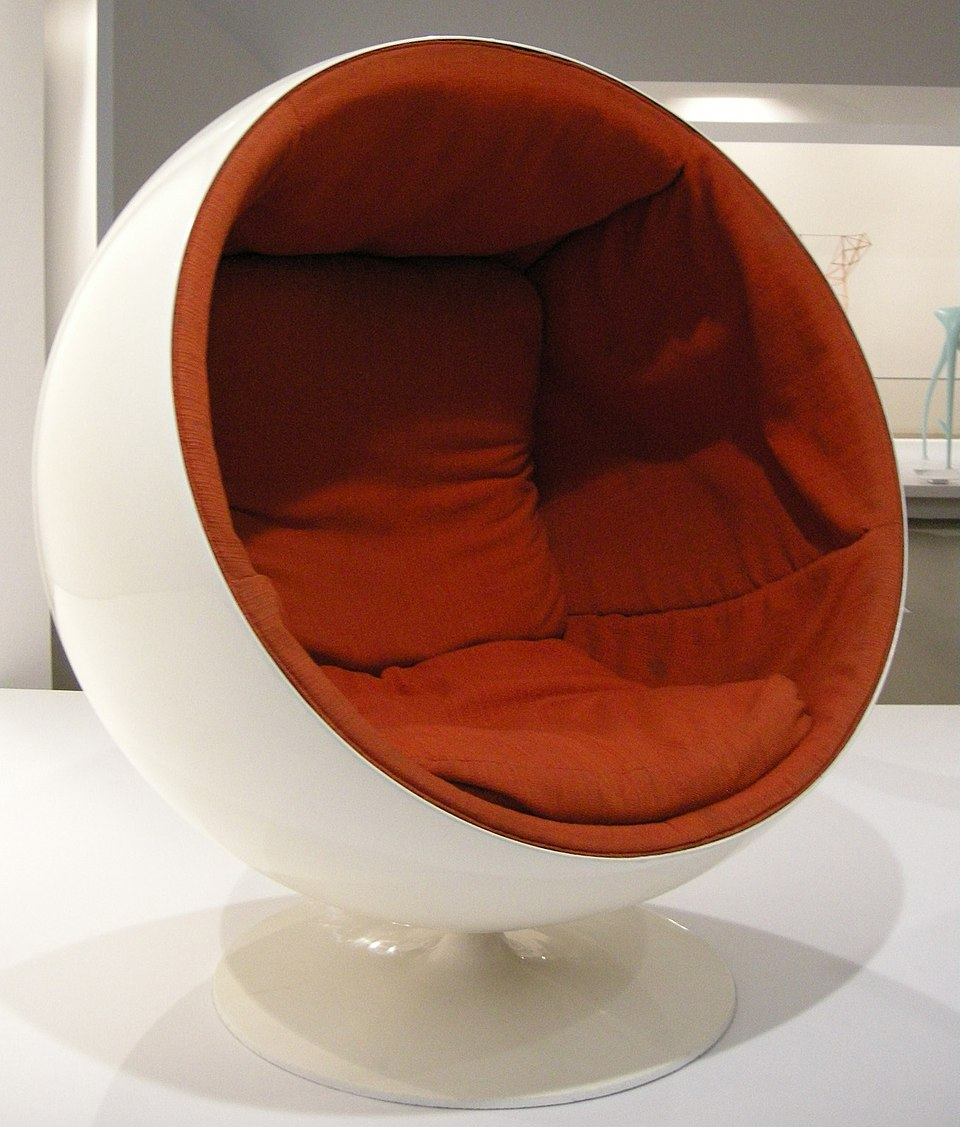
Eero Aarnio (1963; debuted in 1966)
A room inside a chair.
Aarnio wanted to create a private space — somewhere you could sit and feel enclosed, separated from the noise around you.
He succeeded. The Ball Chair is architecture at human scale.
No. 3 — Louis Ghost Chair
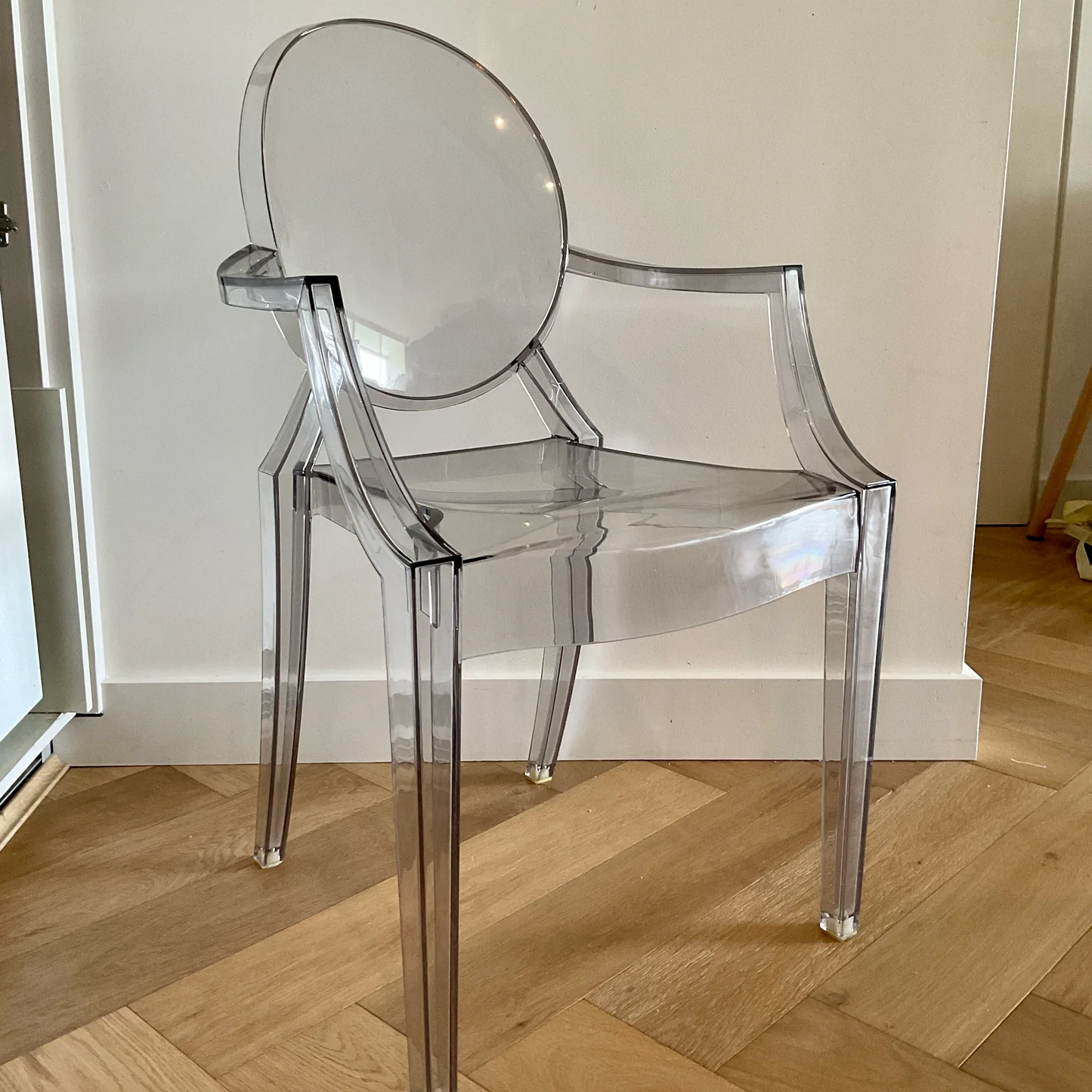
Philippe Starck for Kartell (2002)
A Louis XV-inspired silhouette rendered in transparent polycarbonate.
The contradiction is the design: a heavy historical form made visually weightless.
It works because it should not.
No. 2 — Panton Chair
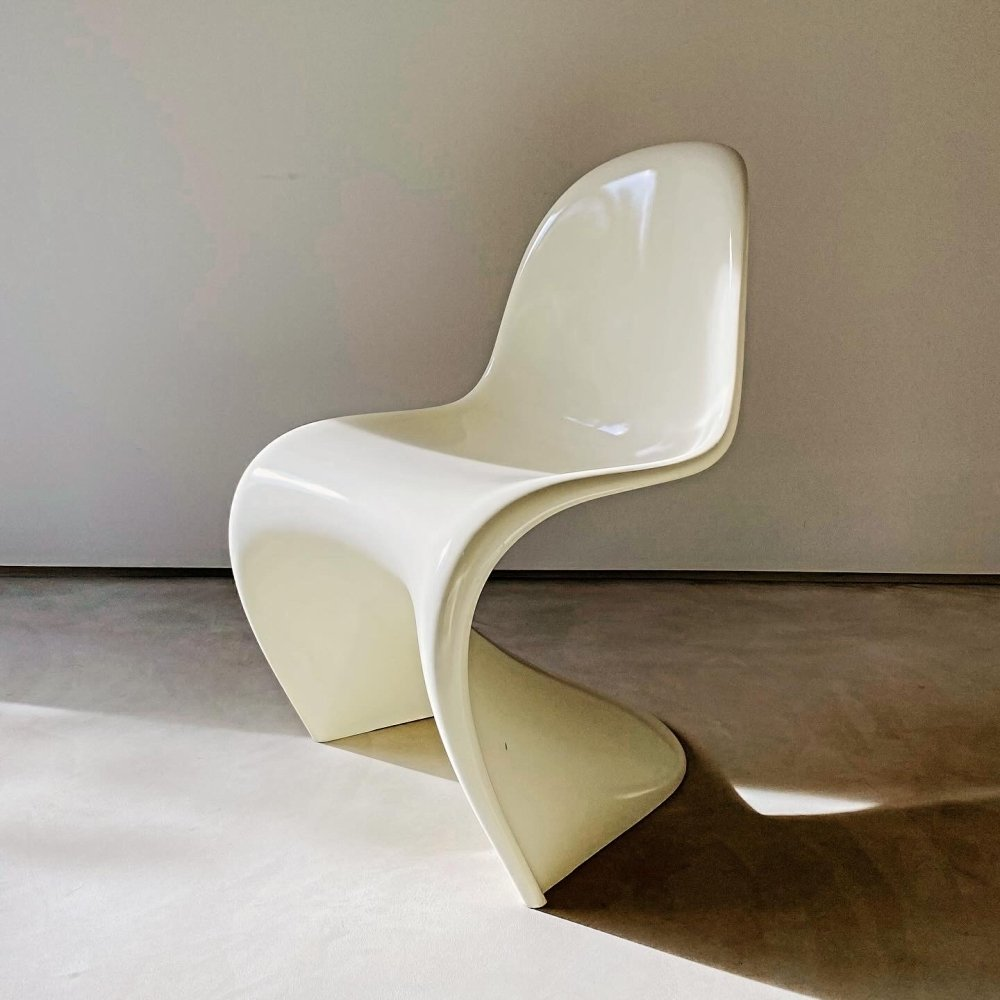
Verner Panton for Vitra (1967)
The first all-plastic cantilever chair manufactured in a single piece.
Panton spent years developing the idea after multiple manufacturers rejected it as impractical. When the first pilot series finally entered production, it changed what a chair could be.
No. 1 — Time Chair
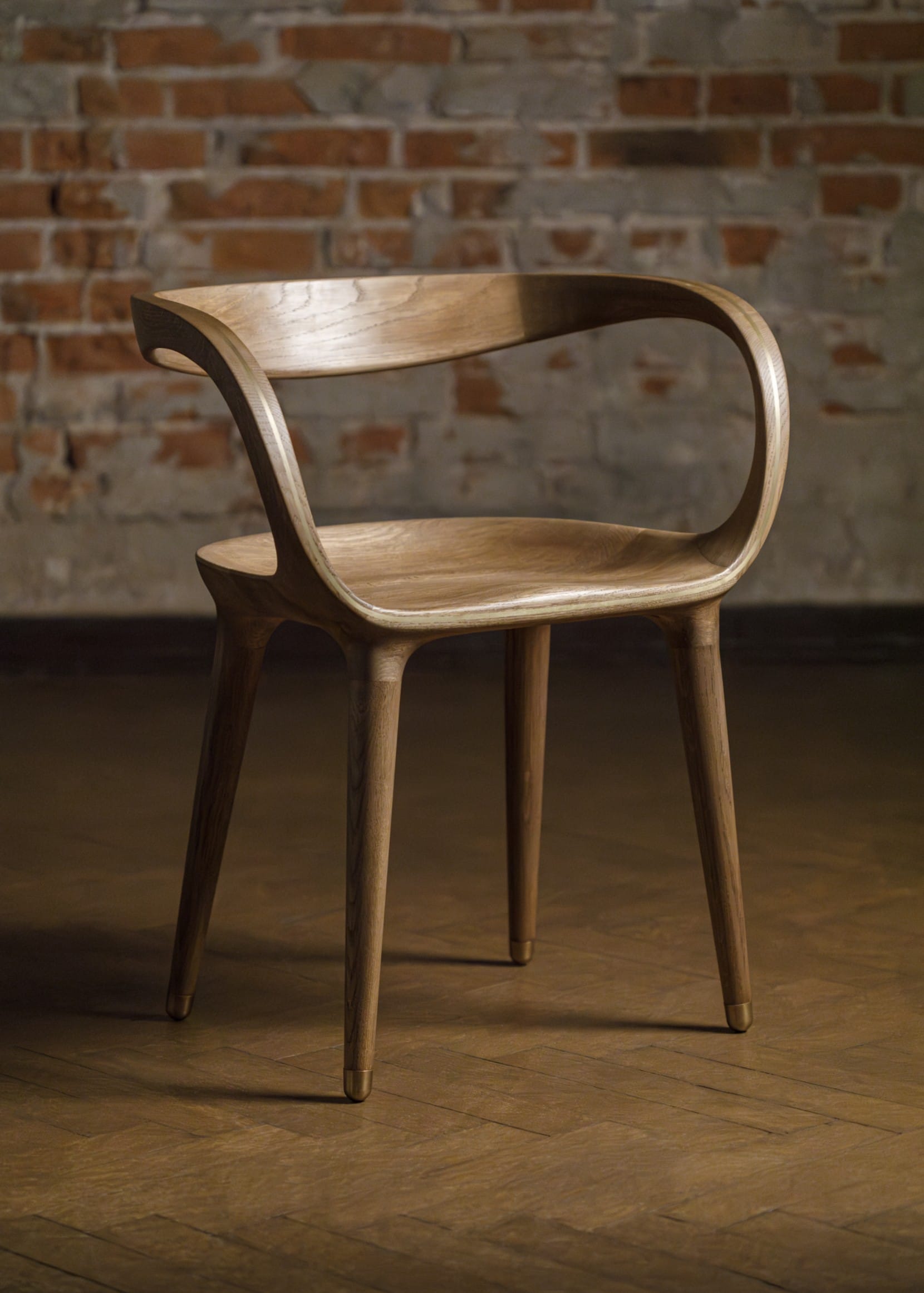
ALPHAWOOD (2025)
CNC-carved solid wood. Brass feet. A form that took three years to get right.
Many sculptural chairs are designed to be viewed from across a gallery. The Time Chair is designed to be used — every day, at a table, in a real interior.
The sculpture is in the function.
